Origins
Two villages
with a shared past… and future
The beginnings
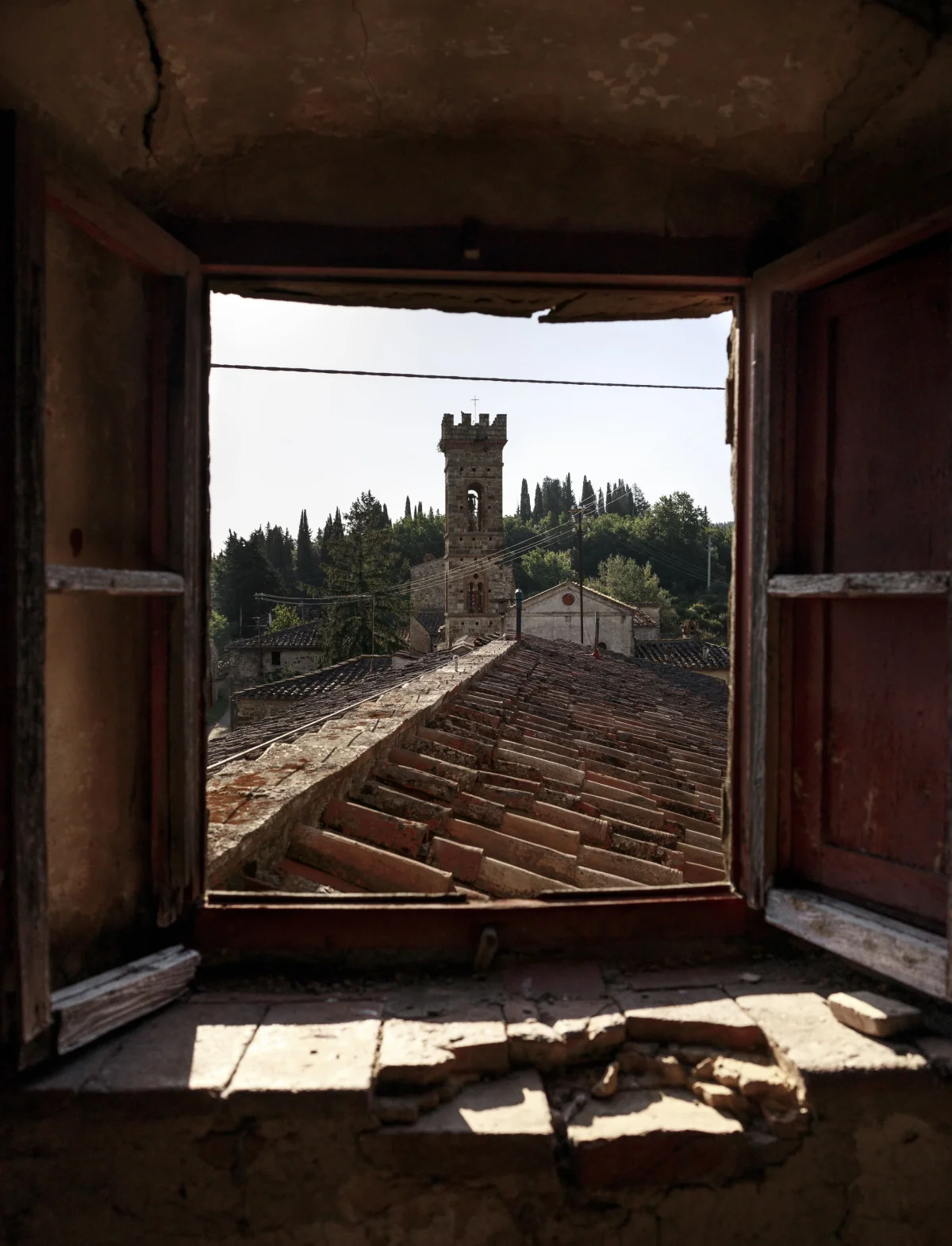
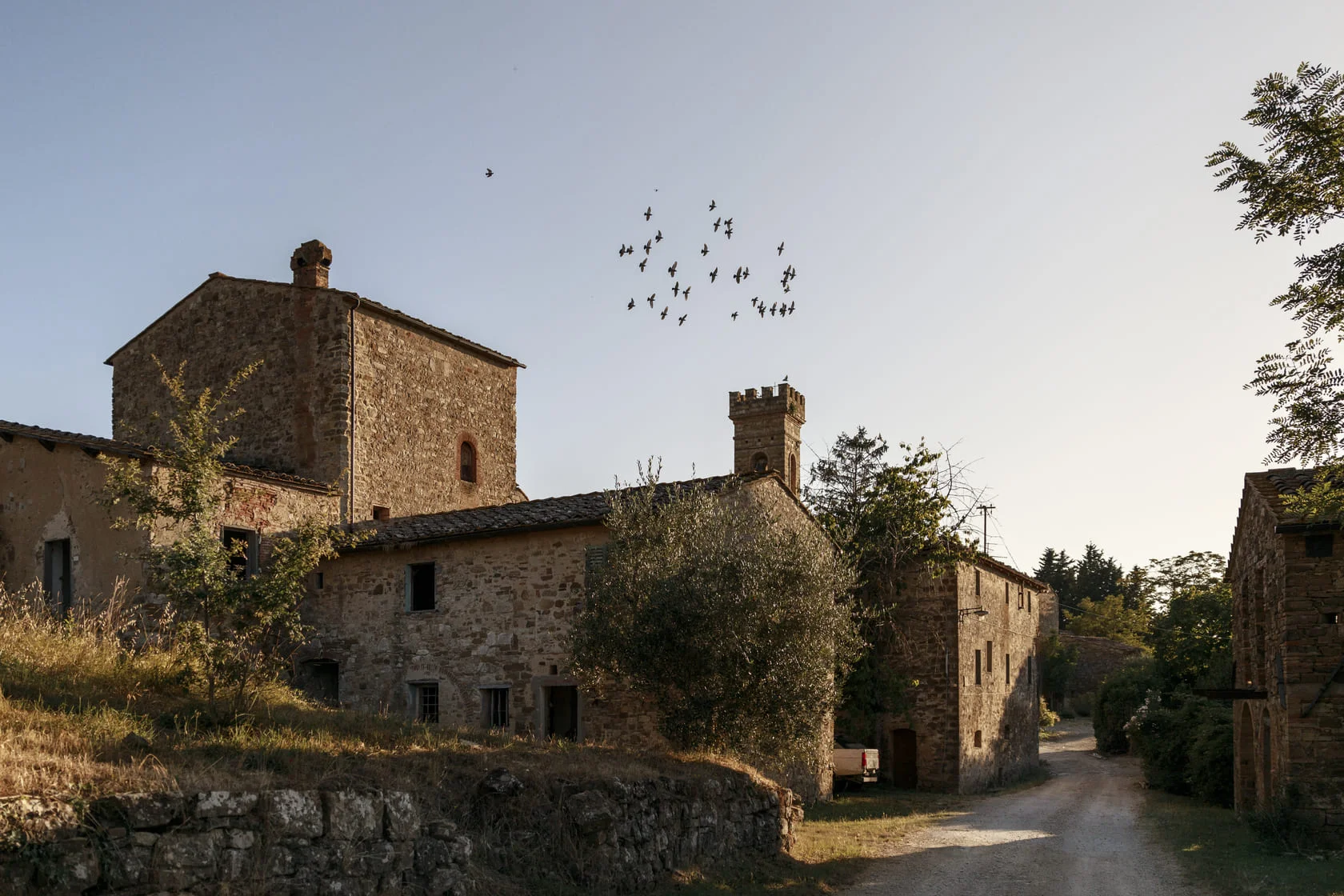
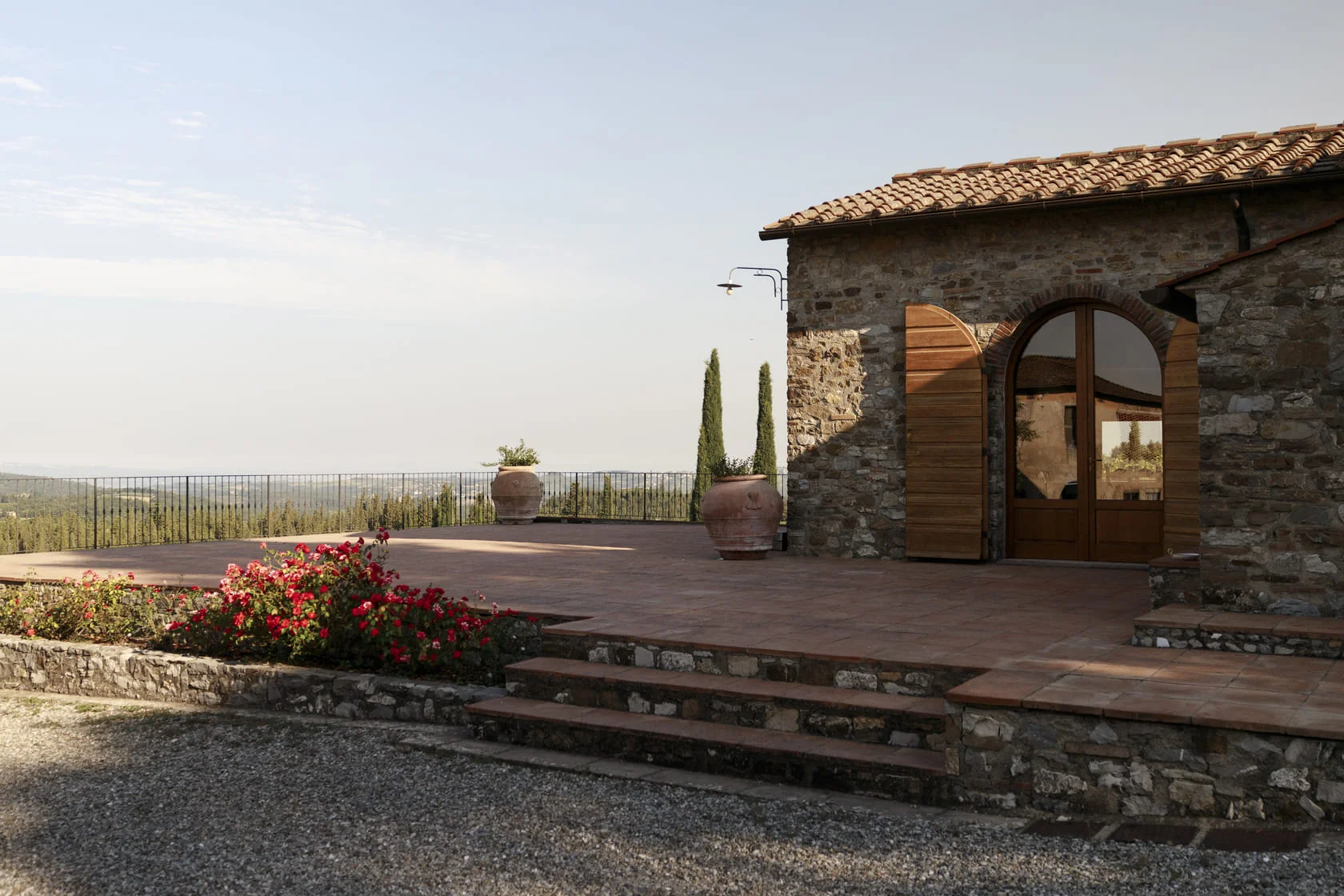
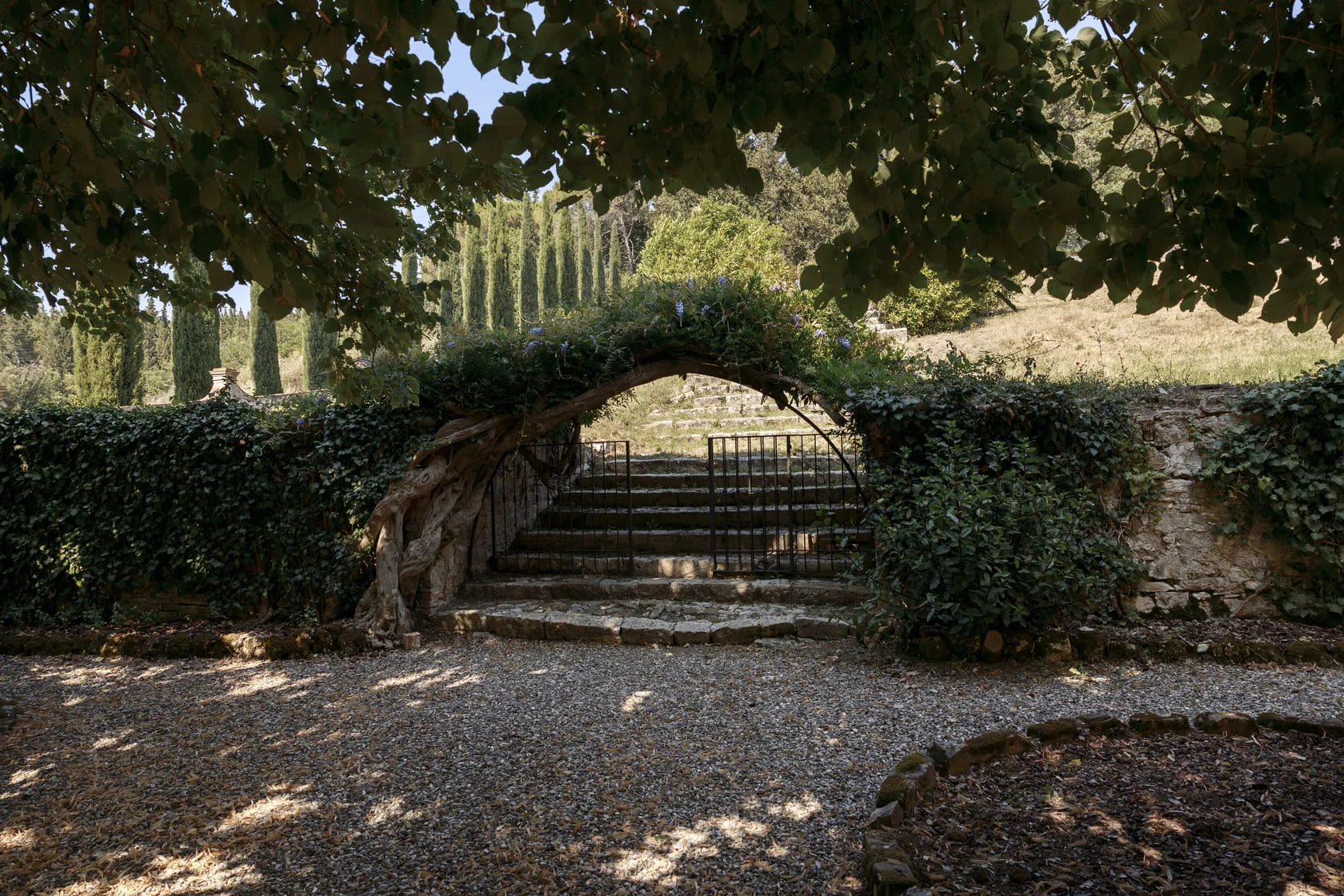
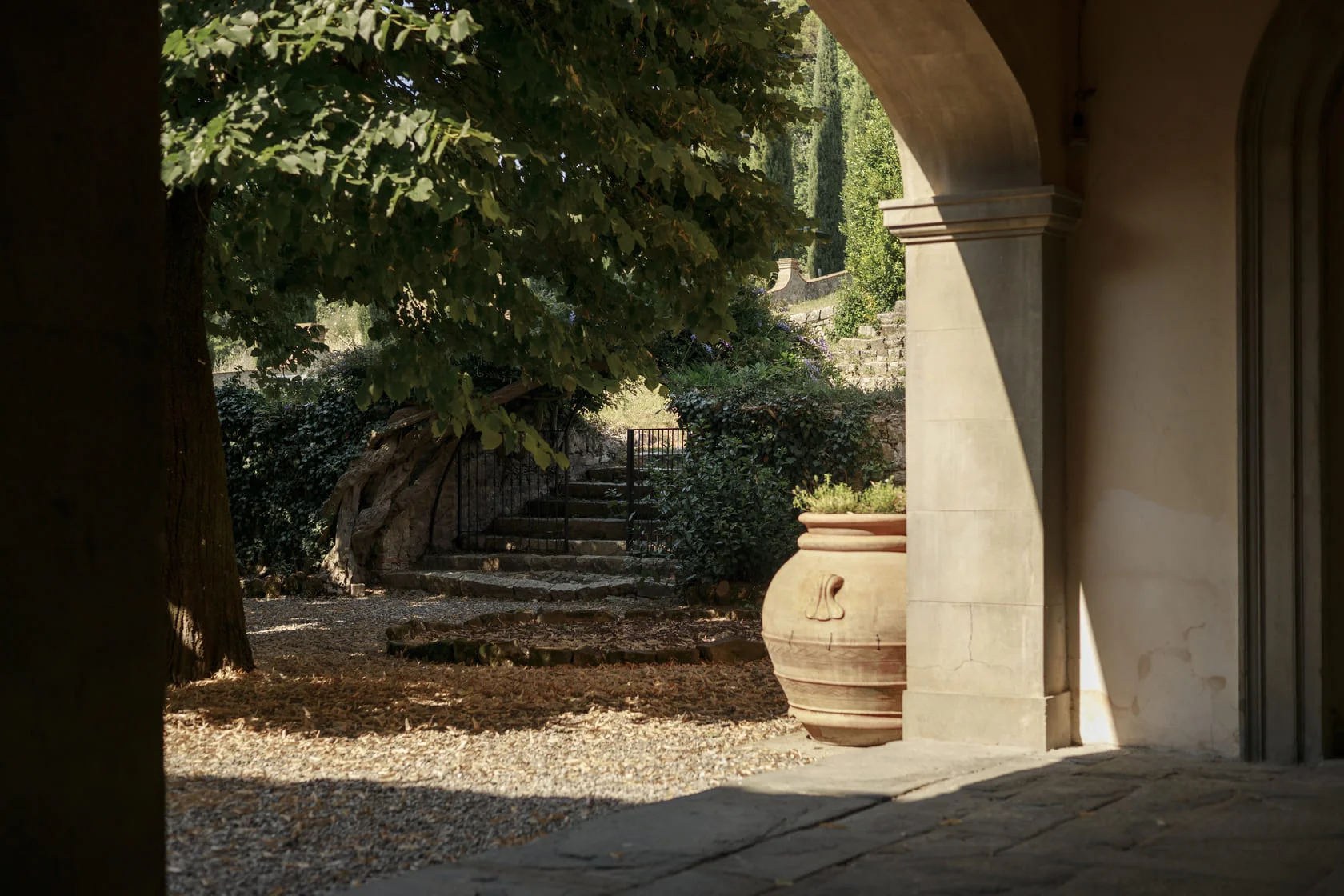
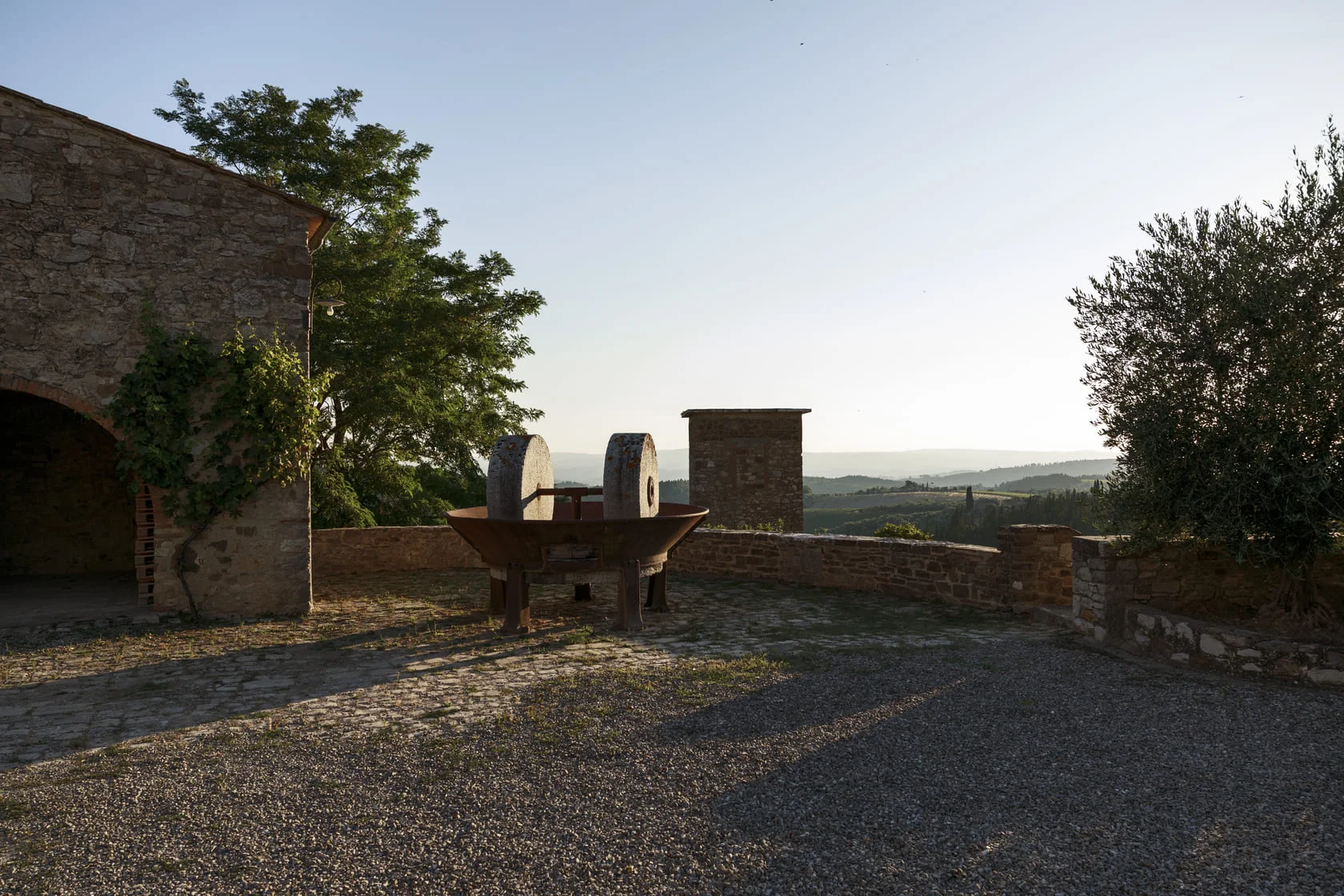
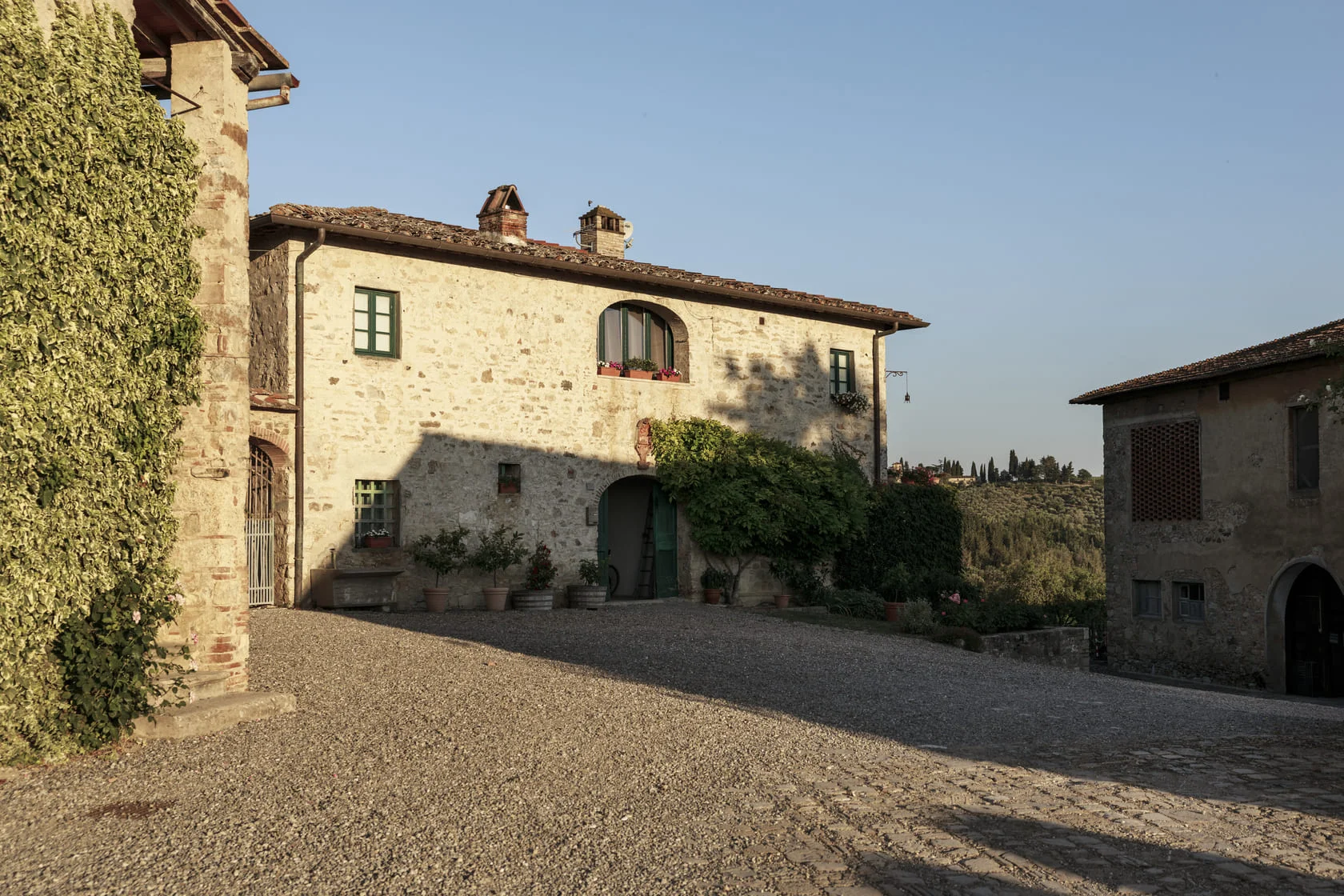
Many years ago, when tracts of privately owned farmland were leased out to sharecroppers, Isole and Olena were two small residential hamlets located one kilometer apart. About 130 people lived in the two villages, forming a self-sufficient community that worked the land and produced wine for themselves and to sell to local merchants.
Isole e Olena officially came into being in 1956, when Francesco De Marchi, a lawyer from the Piemonte region, saw beauty and potential in the two villages, and decided to unite them into one estate.
In 1964, a new law marked the end of sharecropping – and with it a way of life. The countryside emptied out and people moved to big cities; changes were felt even in the two villages. Then, in 1967, when Chianti Classico received Denominazione di Origine Controllata (DOC) status, Isole e Olena witnessed even further change.
The pioneer
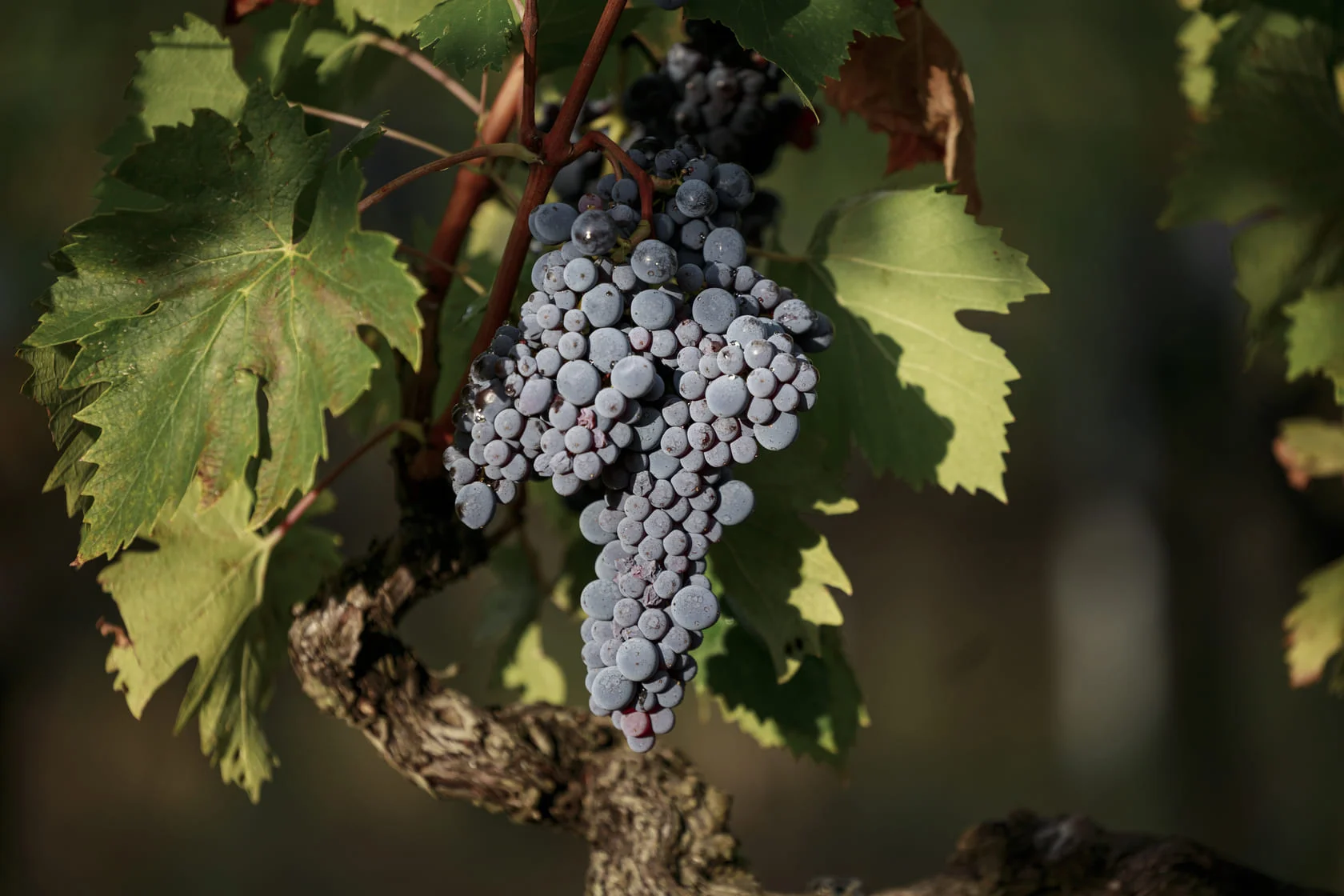
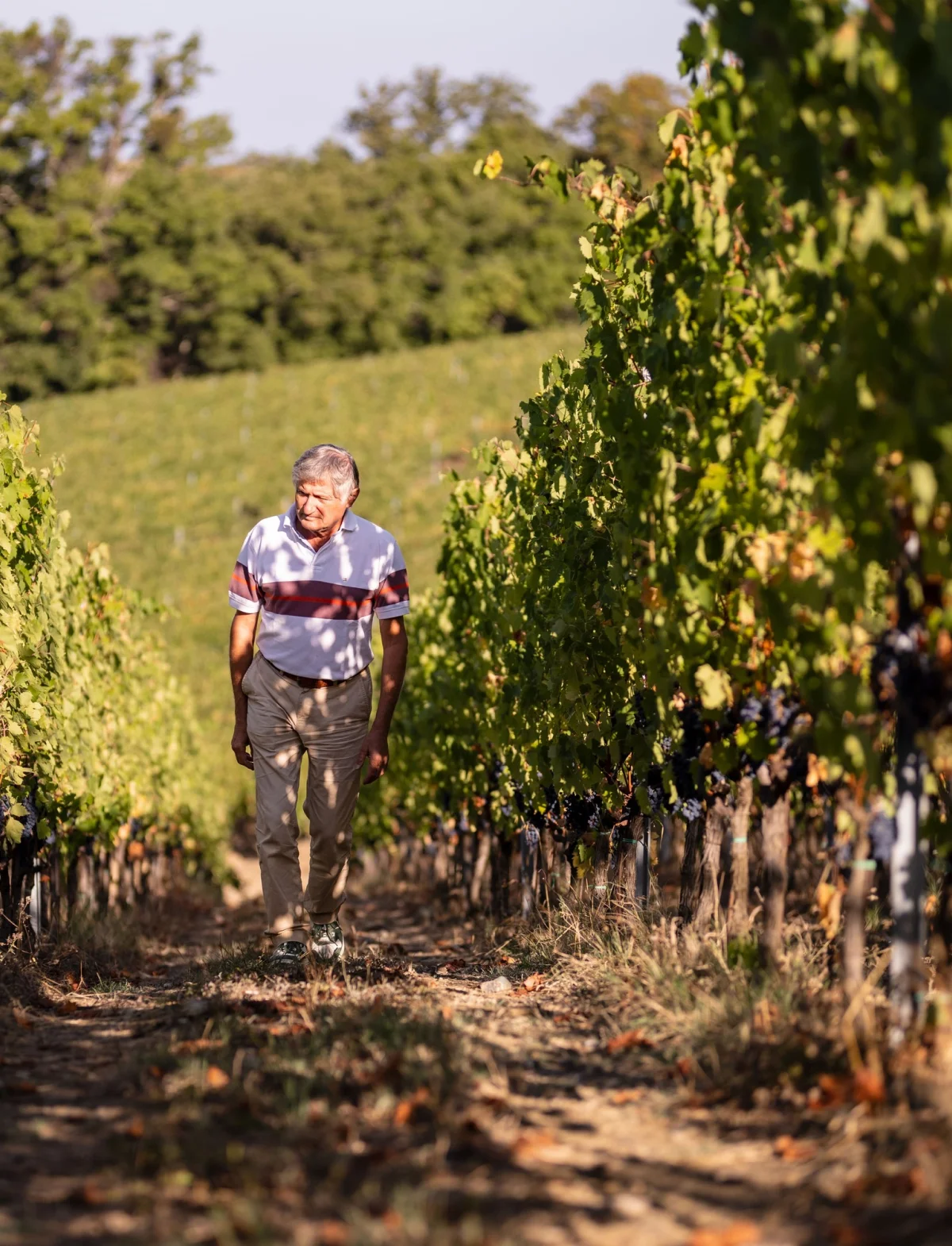
A new era began in 1976, when Paolo De Marchi, Francesco’s son, took control of the estate. Filled with a revolutionary vision, Paolo left behind the quantitative model and embraced a new paradigm. The revolution began in the vineyards: each year, before harvest, Paolo would identify the most promising vines by tying a special kind of ribbon around the most promising ones. Thanks to this system, after years of observation he knew exactly which Sangiovese vines were the best. He then made a careful selection and propagated them in their own parcel. His desire to craft a wine made solely with the very best Sangiovese grapes was much ahead of its time, and a true sign of genius. With Cepparello, Paolo De Marchi laid the groundwork for what the company, the vineyards, and the wines of Isole and Olena would eventually become.
The paradigm
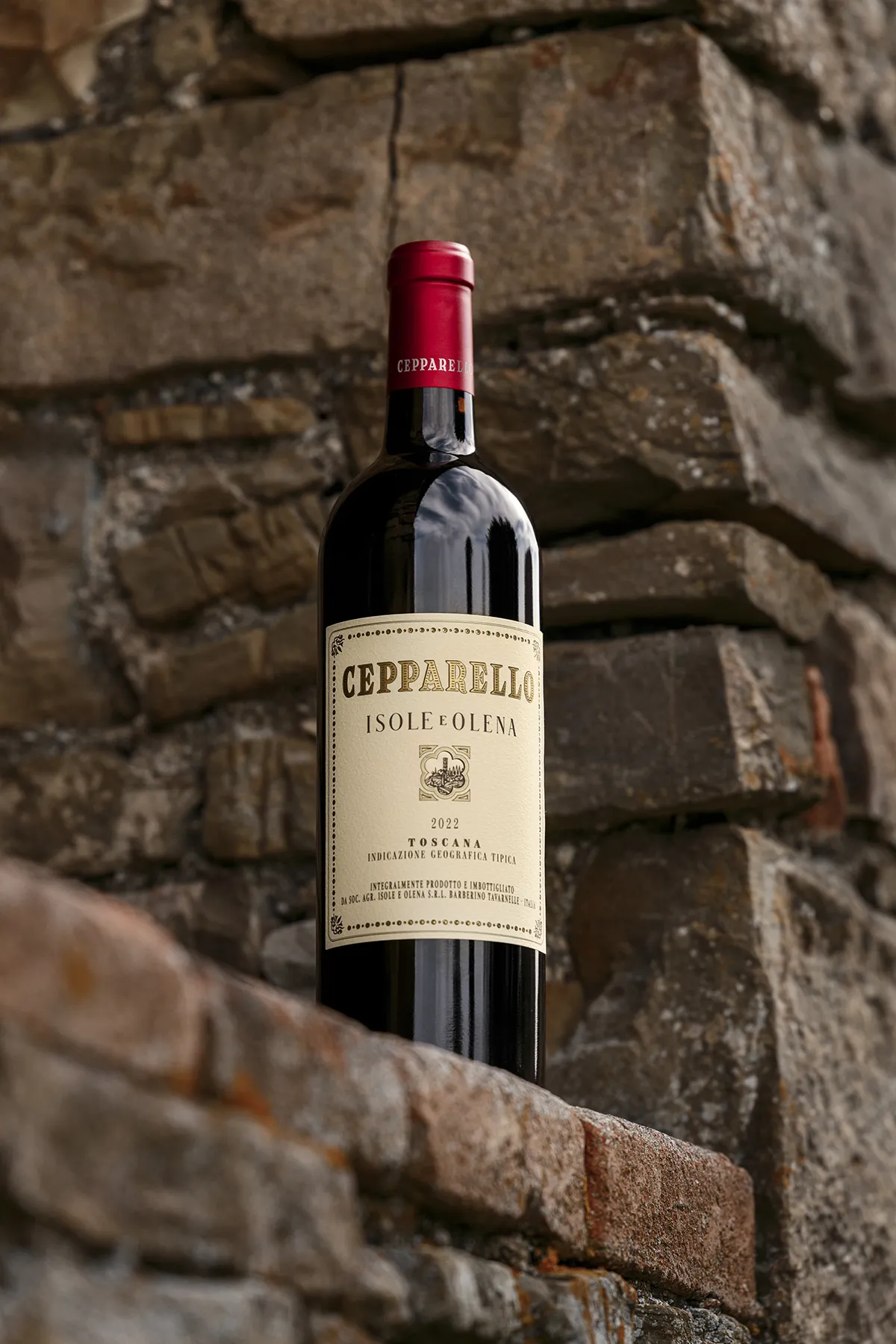
Prior to the creation of Cepparello, wines in the Chianti Classico region were made with both red and white grapes. Paolo felt it was important to steer clear of conventions and create his own rules: he also knew that Sangiovese didn’t require other international cultivars to produce a great wine, and that he just had to use the best vines he had. So, in 1980, Paolo undertook a long-term project that gradually became iconic for Sangiovese and the entire region of Chianti Classico. Cepparello became a shining paradigm for Isole e Olena. The wine still carries IGT classification – a reminder of a time when a DOC label meant that winemakers were obliged to use additional kinds of grapes – and is traditionally released each year on April 1.
The new genesis
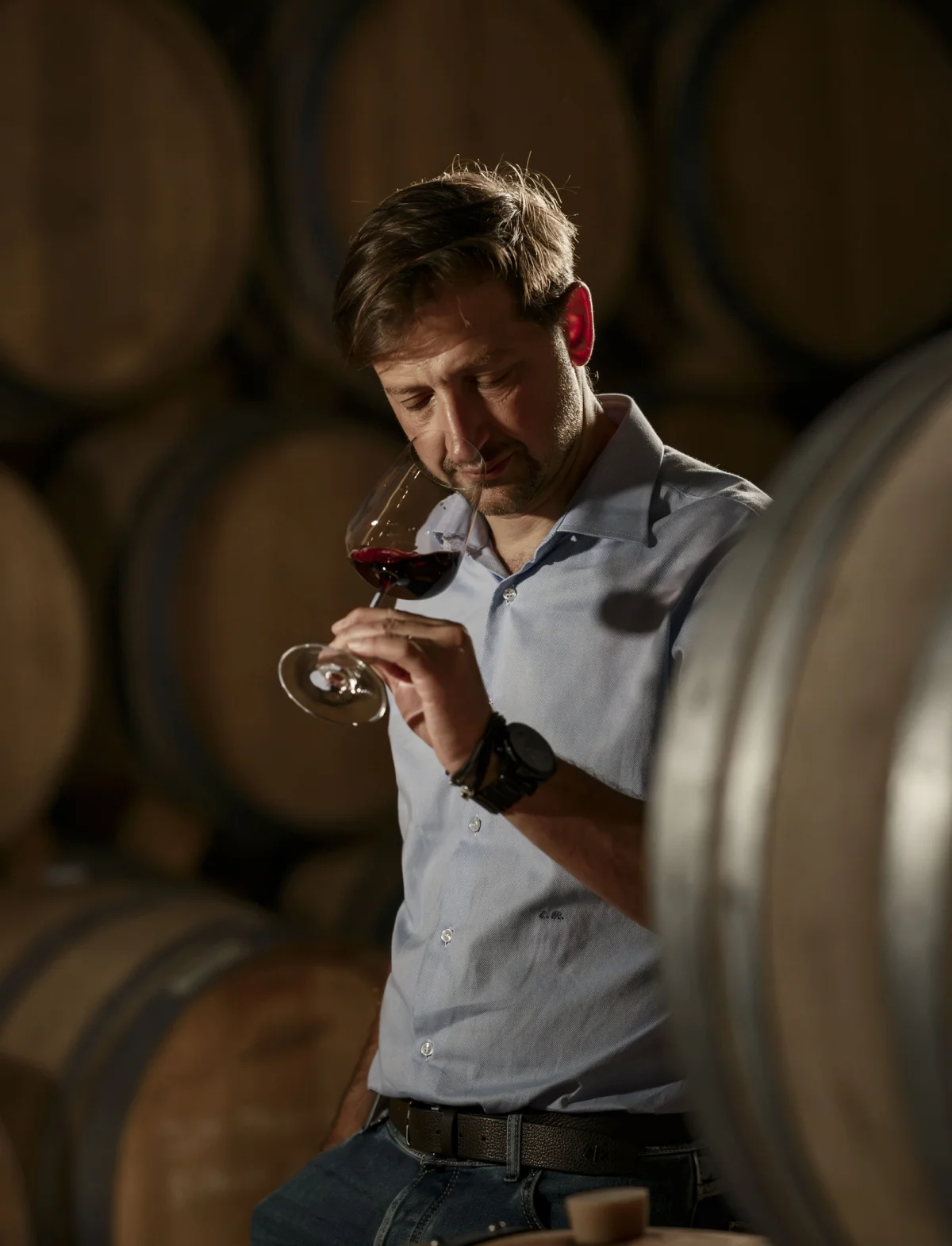
In 2022, the De Marchi family, who had been careful custodians of the land for decades, decided to hand the baton to Christopher Descours and his family. The new owners share the same vision as the company’s predecessors, but thanks to their vast resources more people will be able to learn about the great patrimony that this domain represents.
Their mission remains the same: to give voice to an extraordinary region by creating truly authentic wines of superb character. With support from a team that has been working at the winery for many years, Isole e Olena continues on its journey under the leadership of Emanuele Reolon, Director of the Estate.